Introduction to InsForge
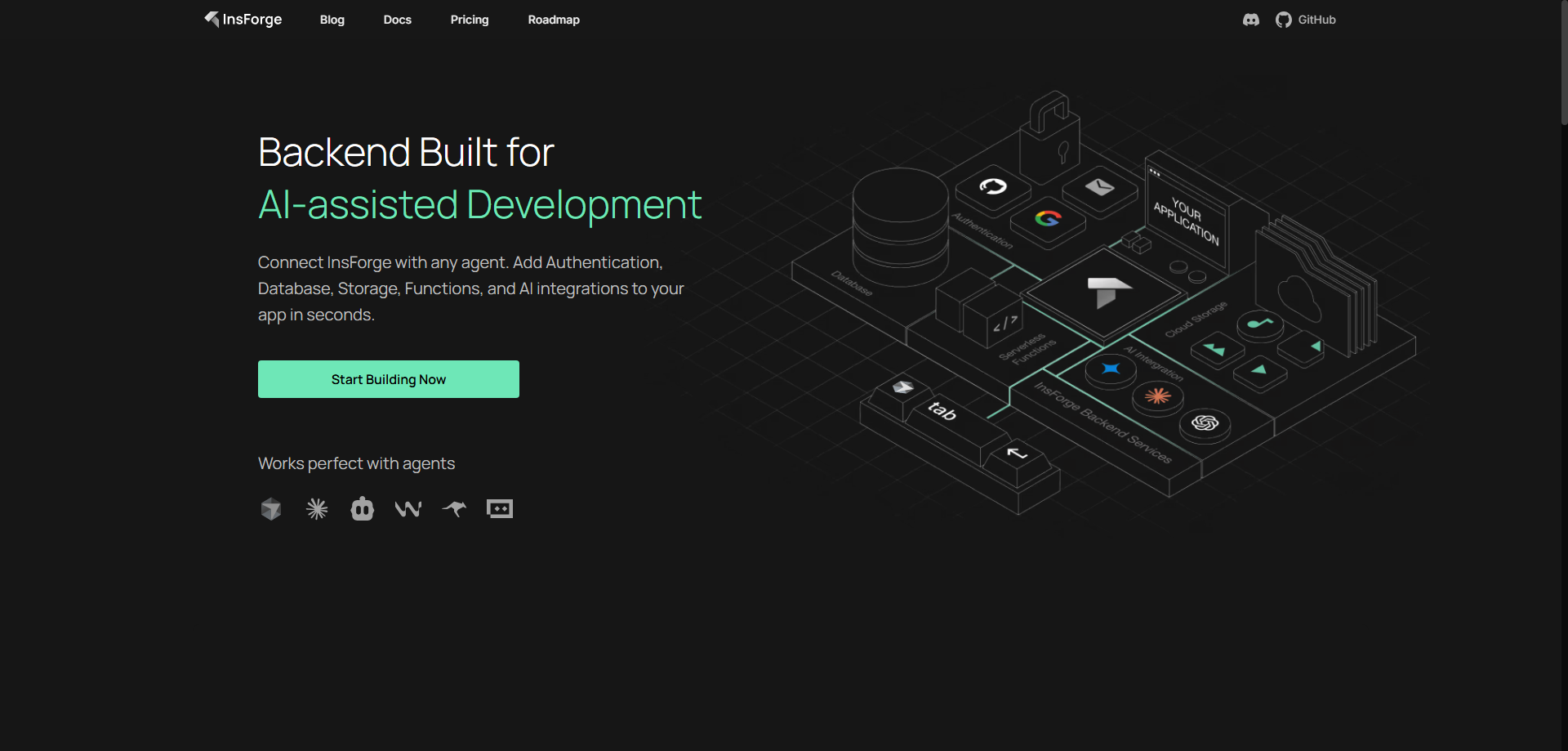
The first time I tried InsForge, I had this moment of disbelief—like, “Wait… it already built everything?” What normally takes hours or days of backend setup was suddenly handled in seconds. Authentication? Done. Database? Connected. Storage? Configured. Functions? Ready. AI integration? Already wired into the app.
InsForge positions itself as the AI-assisted backend built specifically for modern applications, especially those that rely heavily on AI models, dynamic data, and interactive user flows. Instead of dealing with server setup, authentication frameworks, file storage, or database configuration, I get to stay focused on the actual idea I’m building.
In this article, I’m breaking down InsForge from four angles: the creative experience, its disruptive potential, how real the demand is, and whether I think it can survive the next year.
Creative Angle: Why InsForge Feels Like a Backend Built for Imagination
Building Apps by Describing Ideas Instead of Configuring Servers
When I work with InsForge, it feels almost like I'm designing an app by explaining what I want—rather than configuring endless backend details. The moment I say:
- “I need authentication.”
- “I need a database for user drafts.”
- “I need AI integration to generate content.”
InsForge doesn’t ask for dozens of settings. It just builds it. The creative magic is in how natural and direct the workflow feels.
Turning Backend Work Into a Fast, Visual, Creative Flow
Traditional backend development kills creative momentum. One minute I’m envisioning an app, the next minute I’m stuck figuring out:
- token handling
- database schema management
- file storage security
- serverless deployment
- role-based permissions
InsForge flips that dynamic. I stay in a creative mindset—because I’m never forced to slow down and deal with infrastructure babysitting. It turns the backend into a canvas rather than a wall blocking creativity.
AI-Powered Backend as a Creative Partner
The AI integration is more than a feature—it’s a creative unlock. I don’t have to think about:
- how to connect models
- how to route requests
- how to handle latency
- how to structure AI endpoints
InsForge handles the plumbing so I can focus on designing the AI interaction that actually matters. It becomes a creative partner, not a technical hurdle.
Disruptive Angle: Can InsForge Replace Traditional Backend Development?
Replacing Authentication, Databases, and Storage Setup
Let’s be honest—authentication alone can drain a week. Same with secure storage. Same with databases. InsForge configuring all of this automatically in seconds is undeniably disruptive.
If I can get:
- secure login
- persistent database
- scalable file storage
- custom functions
- AI endpoints
without writing infrastructure code, then yes, InsForge absolutely challenges how we traditionally build backends.
Challenging Low-Code and Serverless Platforms
Low-code and serverless tools try to simplify backend work, but many still require:
- custom config
- manual deployments
- complicated schema setup
- cloud provider knowledge
InsForge differentiates itself by leaning heavily into AI-assisted automation. It doesn’t just simplify— it does the backend work for me.
That leap—from simplifying to fully generating—puts InsForge in a different category.
Reducing Infrastructure Complexity for AI-Enabled Apps
Most backend tools are not optimized for AI-heavy apps. They treat AI integrations like optional extras.
InsForge flips that paradigm. AI integration is a core part of the backend. For creators in the AI era, this feels less like a helper and more like the backend we should’ve had from the start.
User Demand: How Real Developers Will Embrace InsForge
Meeting Core Needs for Modern AI App Development
Developers today build apps that require:
- user authentication
- persistent storage
- clean databases
- fast APIs
- AI inference integration
InsForge solves all of these instantly. That’s why demand feels not just likely but inevitable.
Lowering the Barrier for Indie Developers and Small Teams
If you’re a solo developer or small startup, backend complexity slows everything down. InsForge removes:
- backend boilerplate
- infrastructure setup
- manual deployments
- authentication headaches
- database configuration
This allows smaller teams to compete with companies that have entire backend departments.
Speed, Focus, and Reduced Maintenance Burdens
InsForge also hits another real pain point: maintenance. Developers don’t want to be stuck fixing backend issues forever.
By handling the backend automatically, InsForge:
- reduces long-term maintenance
- eliminates setup friction
- improves development speed
- tightens focus on product value
That’s exactly what today’s creators want.
One-Year Survival Rating (1–5 Stars)
⭐ My Rating: 4.4 out of 5 Stars
I think InsForge has a strong chance of thriving over the next year.
Why?
- It solves a universal problem: backend complexity.
- It offers a unique positioning around AI-powered backend generation.
- It supports real use cases from indie devs to startups.
- It removes major pain points that developers hate dealing with.
But it's not perfect—there are risks.
Opportunities for InsForge to Expand
-
More AI model integrations Supporting additional models would strengthen its “AI backend” identity.
-
Preset app templates Quick-start templates for chat apps, writing tools, marketplaces, and SaaS dashboards.
-
Team collaboration features Multi-developer workflows and permissions.
-
More storage and database options Developers love flexibility—more connectors would attract experienced teams.
-
Performance monitoring and logs Built-in analytics would reduce reliance on external tools.
Risks InsForge Must Address
-
Performance scaling concerns If apps grow quickly, can InsForge scale under pressure?
-
Competition from major platforms Existing backend tools or cloud providers may launch competing AI automation.
-
Trust and reliability Backend tools must be rock solid—bugs can destroy user confidence.
-
Developer skepticism Some developers prefer full control over “magic” automation.
-
Documentation and onboarding The more powerful the tool becomes, the more guidance newcomers will need.
Despite these risks, InsForge feels like a tool built for the next era of app development—not the last one.
Real-World Use Scenarios of InsForge
Solo Developer Building an AI Writing App
I love this scenario because it's exactly where InsForge shines. Instead of:
- building auth
- wiring a database
- setting up storage
- connecting AI models
The developer focuses on crafting the writing experience—because InsForge does the rest.
Startup Building a Media-Heavy Community Platform
User uploads, video files, images, profile pictures—file storage becomes a nightmare. InsForge gives startups reliable storage instantly, plus the ability to add AI-powered:
- recommendations
- tagging
- moderation
- search
In one platform.
Small Team Launching an Education Platform
They need:
- user management
- course data persistence
- exam results storage
- file uploads
- AI content generation
InsForge covers all of these out of the box, letting the team prioritize teaching quality and user experience instead of infrastructure.
FAQs
1. Does InsForge replace backend engineers? Not entirely—but it dramatically reduces repetitive backend work.
2. Can I customize the backend logic? Yes. Functions let you run custom business logic when needed.
3. Is InsForge suitable for production apps? For many apps, yes—as long as your scalability needs are within range.
4. Does it support AI model integrations natively? Yes, AI integration is one of its core features.
5. Does it help with authentication and login flows? Absolutely—auth setup is one of the fastest parts of the tool.
6. Can non-technical founders use it? Yes. The low-code, AI-assisted approach makes it accessible.
Conclusion
InsForge brings a refreshing, creative, and highly disruptive approach to backend development. It removes the painful parts, enhances the creative ones, and gives developers everything they need to build AI-powered apps without drowning in technical overhead.
With a strong 4.4-star survival outlook, real-world use cases, and huge potential for growth, I believe InsForge is well-positioned to become a major player in modern app development.