Nav ai is a third-party navigation site and only links to external software publishers and app stores. We do not host or distribute any software installation files.

MCP Playground — My Open-Source Developer Playground for Rapid MCP Server Testing

Explore MCP servers in your browser: run API tests, debug tools and prompts, check performance, and speed MCP integration—fast, open-source.

MCP Playground — My Open-Source Developer Playground for Rapid MCP Server Testing

1) Creative angle: how I turn MCP exploration into a lab

MCP Playground feels like a hands-on developer playground for the Model Context Protocol. I connect to a server, list exposed tools and resources, and watch AI model interaction in real time—no boilerplate. I prototype flows right in the browser: try a tool, tweak a prompt, repeat. It’s my sandbox for MCP server testing, API interface testing, and quick ideas before I ever open an editor.


2) Disruptive angle: can it replace my current tools?

For MCP-specific work, mostly yes. As an MCP debugging tool, it compresses what I used to juggle across curl/Postman, ad-hoc dashboards, and log tails. From one pane I can:

  • Inspect tools/resources and contracts
  • Run API interface testing and prompt experiments
  • Do lightweight server performance checks before wiring clients

It won’t replace heavy load testing, production observability, or CI/CD—but for day-to-day MCP integration development, this becomes my first stop.


3) Exact-need angle: will developers actually adopt it?

I think yes—because the jobs are specific and urgent:

  • AI engineers & plugin authors: fast MCP integration development without scaffolding code.
  • Platform teams: quick behavior audits and MCP server testing during reviews.
  • Newcomers: visual learning for AI model interaction and prompt design.

The acceptance driver is time-to-value: connect, explore, verify. As an open-source developer tool, the friction is low and the payoff is immediate.


4) 12-month survival score: 4.2 / 5 stars

Verdict: Strong odds it sticks. A focused console for MCP debugging and server performance checks fills a clear gap.

Opportunities

  • Record/replay sessions, shareable repro links
  • Built-in traces, latency histograms, and diff views
  • Template suites for common API interface testing scenarios
  • CI hooks to run headless smoke tests on MCP endpoints

Risks

  • Protocol evolution outpacing UI updates
  • Vendor consoles bundling similar features
  • Secret handling and access control for team use
  • Scope creep that dilutes the clean, fast experience

What would lift it to 4.6–4.8 Environment switching, role-based access, versioned server profiles, and a CLI to script Playground checks into CI.


Why I’m using it I want zero-friction MCP server testing before writing code. MCP Playground gives me API interface testing, AI model interaction, and quick MCP debugging in one tab—open-source, fast, and exactly the context I need.

Latest Tutorials

View more
Lila by Zivy: The Browser Extension That Knows When You Need a Break

Lila by Zivy: The Browser Extension That Knows When You Need a Break

Description:** I tested Lila, a wellness browser extension offering breathing exercises, desk stretches, and smart reminders. Here's my honest take on whether it can survive in 2025's crowded productivity market.

Mixup: Where AI Meets Community Creativity in Visual Magic

Mixup: Where AI Meets Community Creativity in Visual Magic

I analyze Mixup's recipe-based approach to AI photography, exploring its creative community model, disruptive potential, user adoption prospects, and survival odds.

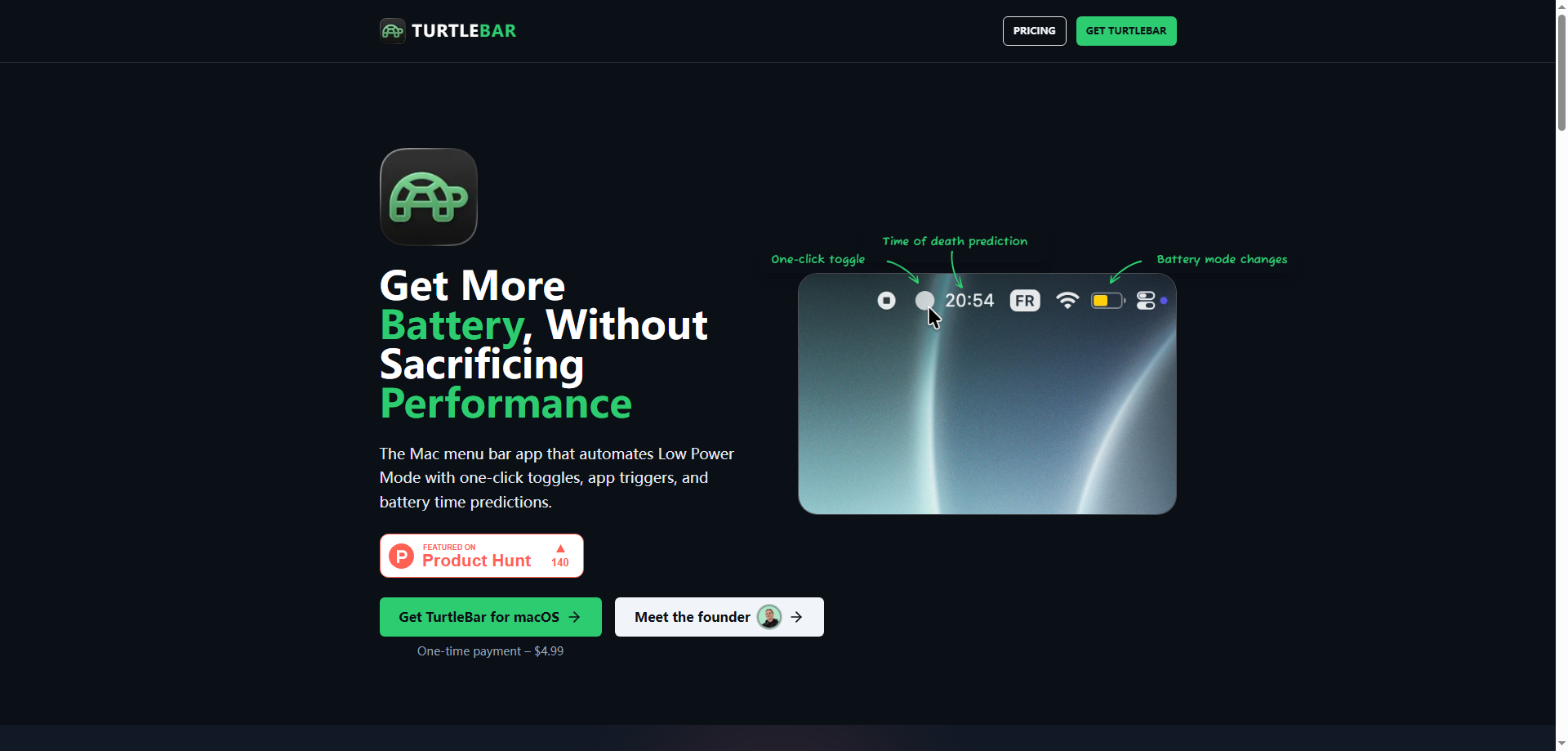
TurtleBar: The One-Click Mac Battery Saver That Finally Makes Sense

TurtleBar: The One-Click Mac Battery Saver That Finally Makes Sense

I explore TurtleBar's smart approach to Mac battery management, analyzing its creative features, disruptive potential, user demand, and long-term survival odds.

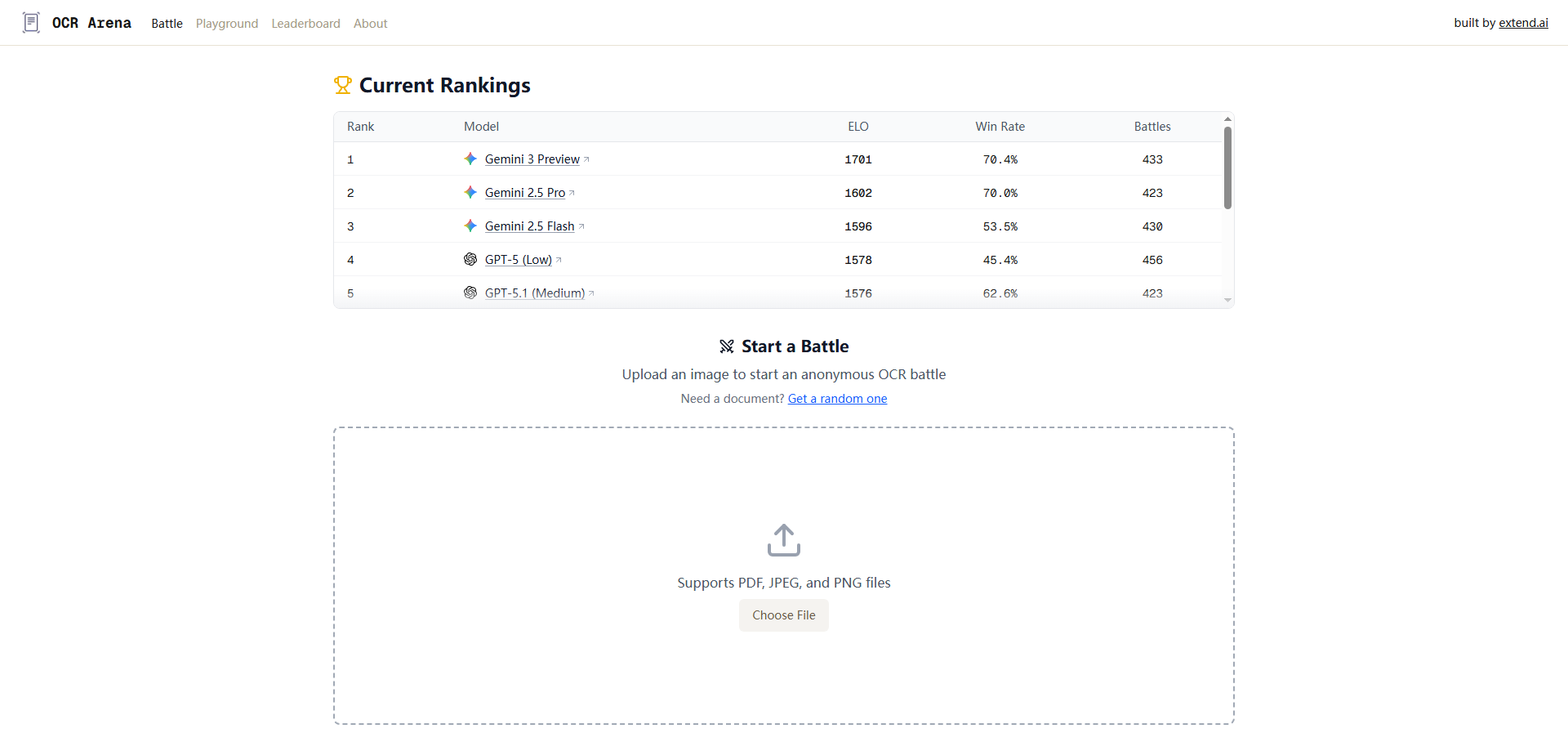
OCR Arena: The World's First Public Benchmark for Document Recognition AI

OCR Arena: The World's First Public Benchmark for Document Recognition AI

I analyze OCR Arena's innovative model comparison platform, exploring its creative approach, disruptive potential, user acceptance, and survival prospects.

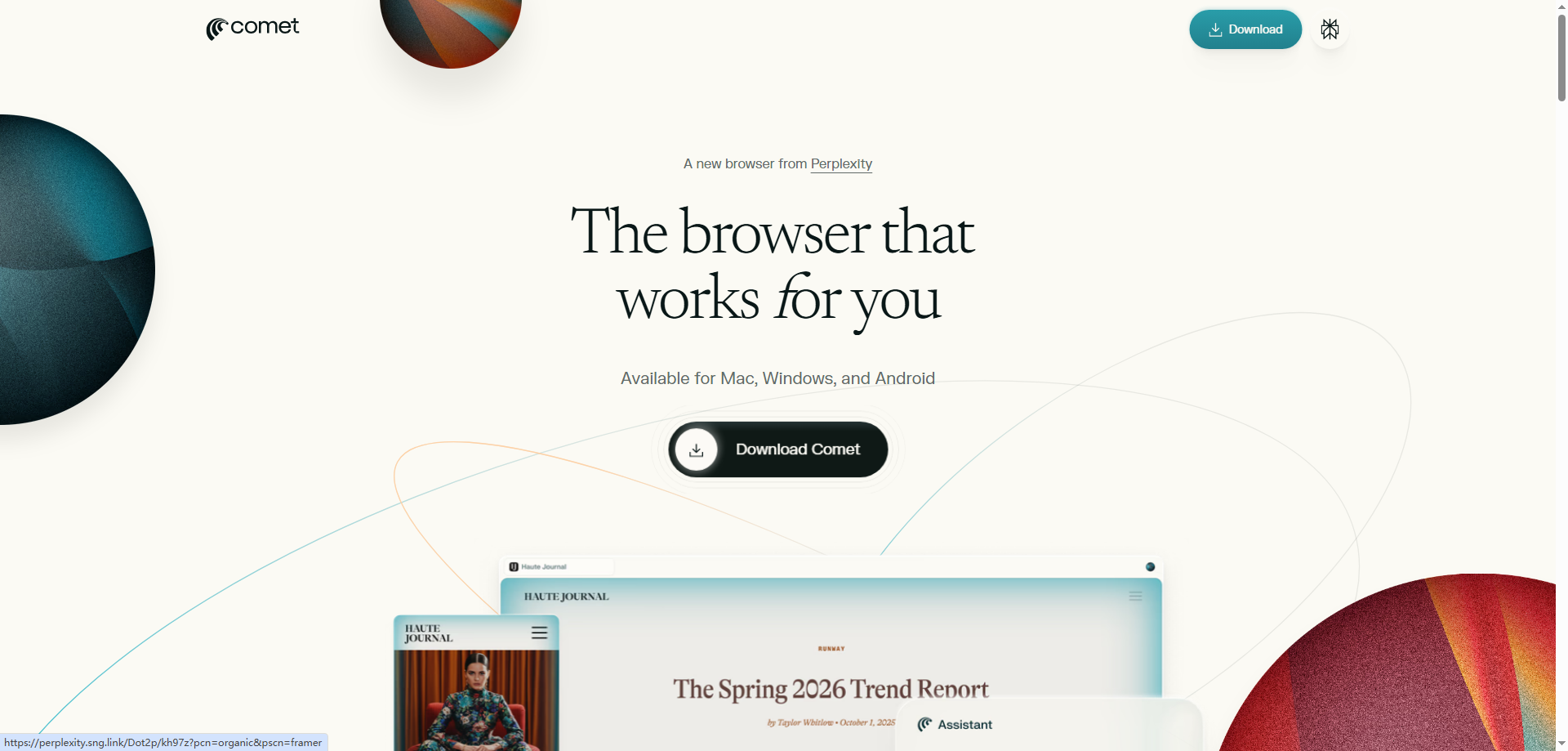
Comet for Android: The AI Browser That Actually Understands Mobile Life

Comet for Android: The AI Browser That Actually Understands Mobile Life

I explore Comet for Android's innovative approach to mobile browsing with AI, examining its creative features, disruptive potential, user needs, and survival odds.

Antigravity for Raycast: The Keyboard-First Revolution in Project Navigation

Antigravity for Raycast: The Keyboard-First Revolution in Project Navigation

I dive into Antigravity for Raycast's keyboard-first project switching, analyzing its creative approach, disruptive potential, user adoption prospects, and viability.

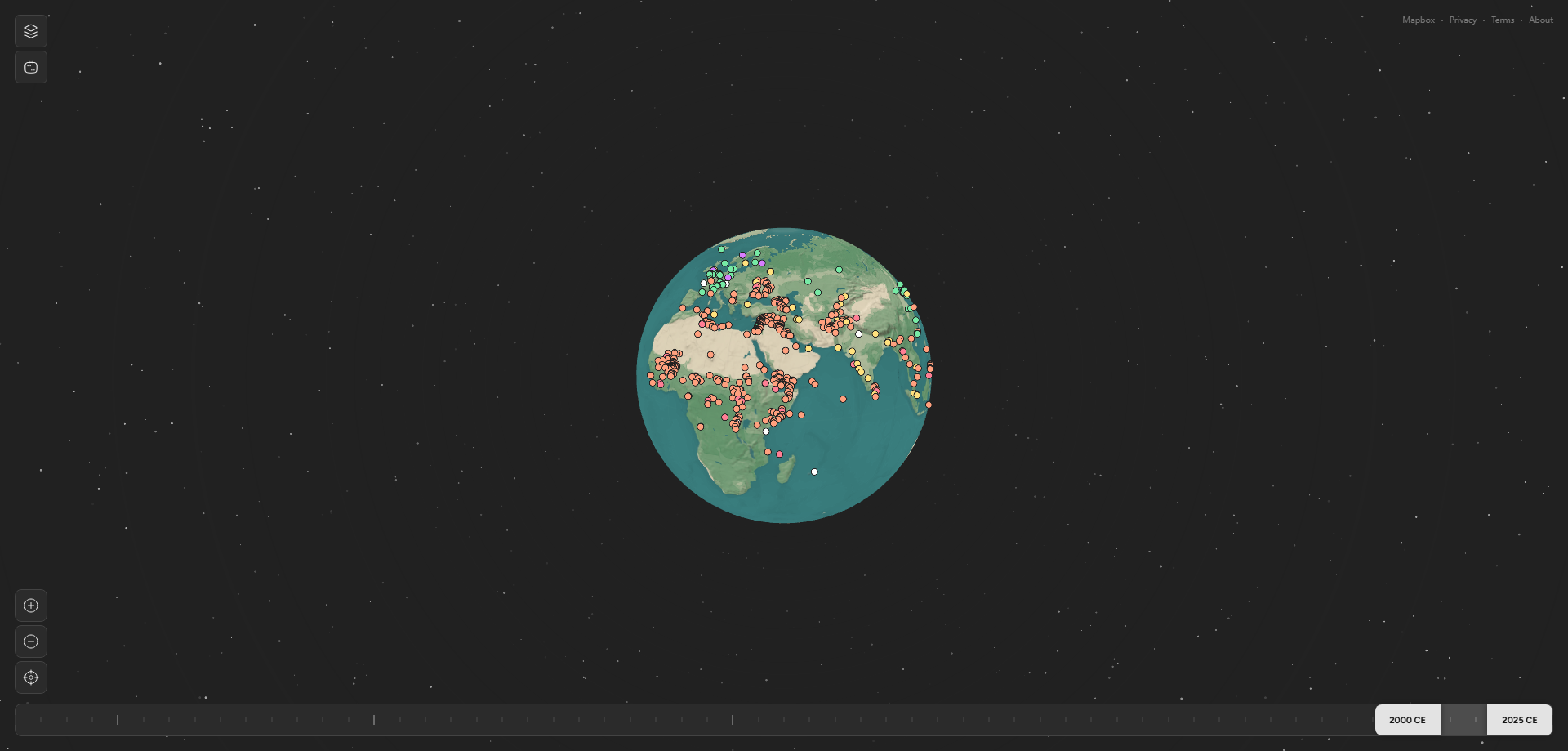
Globe of History: Spinning 6,000 Years of Human Civilization on Your Screen

Globe of History: Spinning 6,000 Years of Human Civilization on Your Screen

I explore Globe of History's interactive 3D approach to learning world history, analyzing its creative design, disruptive potential, user appeal, and survival odds in the edtech landscape.

Lamatic 3.0: Turning Domain Expertise into Living AI Agents - A Deep Dive

Lamatic 3.0: Turning Domain Expertise into Living AI Agents - A Deep Dive

I explore Lamatic 3.0's revolutionary approach to AI agent development, examining its creative vision, disruptive potential, market fit, and survival prospects in the competitive AI landscape.

Browser Cash: The Stealthy Browser Automation That Makes Web Scraping Actually Work

Browser Cash: The Stealthy Browser Automation That Makes Web Scraping Actually Work

I explore Browser Cash's real-browser automation platform for AI agents and web scraping, examining if it can truly bypass detection and whether it'll survive.